Our World in AMR
Antimicrobial resistance is evolving faster than our defenses. AMROrbit redefines our approach by transforming routine antimicrobial susceptibility testing data into dynamic, easy-to-interpret scorecards. Our innovative scorecard tracks resistance trends over time and across geographies, categorizing them into intuitive zones that highlight emerging risks and provide actionable insights.
By unlocking the untapped potential of everyday diagnostics, the AMROrbit Scorecard empowers governments, healthcare leaders, and policymakers to identify critical areas needing immediate attention and move from reactive responses to proactive, anticipatory strategies.
Scorecards
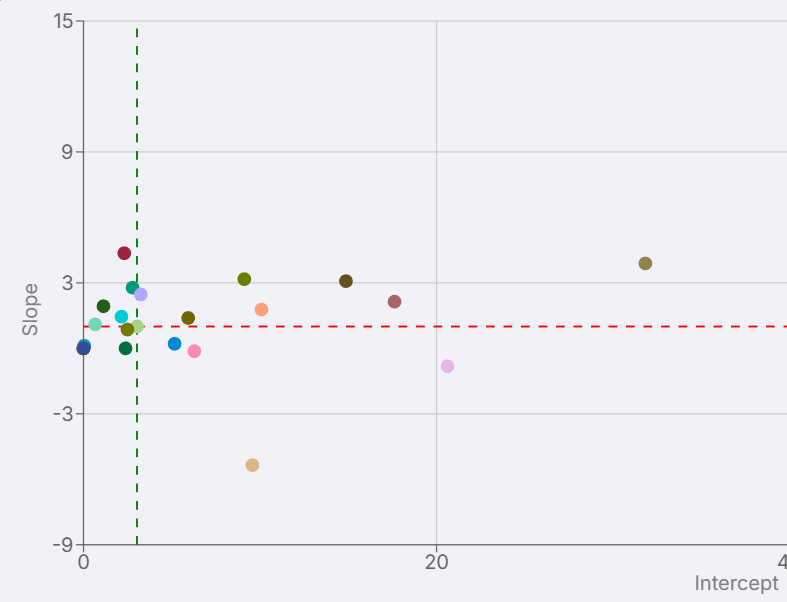
The AMROrbit Scorecard is a unique tool designed to empower governments globally in the rigorous monitoring and management of antimicrobial resistance (AMR). The Scorecard presents a phase-space plot with resistance levels on the x-axis and the rate of change on the y-axis. Countries in the bottom-left quadrant display favorable AMR profiles, characterized by low initial resistance and a slow increase over time. The remaining quadrants identify countries where targeted interventions are needed due to rising resistance, high baseline resistance, or both.